


Drywood Termites in Tampa Bay: What Homeowners Should Know
Drywood termites in Tampa Bay swarm from late spring through early fall. Common signs include pellet piles, discarded wings, and hollow-sounding wood. A professional termite inspection confirms the type of termite and recommends targeted treatment.
Why Drywood Termites Are Common in Tampa Bay
Drywood termites are especially problematic in Tampa Bay because they live entirely inside the wood of your home. Unlike subterranean termites, they don’t need soil contact, which allows them to establish colonies in isolated areas of a structure.
They commonly infest:
- Attic framing and roof trusses
- Fascia boards, soffits, and eaves
- Door and window frames
- Baseboards and interior trim
- Wood siding
- Even wooden furniture
Tampa Bay’s coastal climate — with long, hot summers and mild winters — allows drywood termites to remain active for much of the year. Heat buildup in attic framing and upper rooflines makes these areas especially vulnerable.
Extended swarming seasons, aging exterior wood, and small entry gaps around vents and eaves further increase risk.
Because colonies develop entirely inside dry structural wood, infestations often go unnoticed until visible signs appear — making drywood termites a persistent issue throughout the region.
If you’re unsure which type you’re dealing with, read: The Difference Between Subterranean and Drywood Termites
Drywood Termite Season in Tampa Bay
One of the most common questions we hear is:
“Is it termite season right now?”
In Florida, termites can be active year-round. But swarming season is when most homeowners first notice them.
When Do Drywood Termites Swarm in Tampa?
In Tampa Bay, drywood termites most commonly swarm from late spring through early fall, with peak activity during the hotter summer months.
Many drywood species in Florida swarm during warm daytime hours, and homeowners often notice them gathering around windows, sliding glass doors, or other areas where light is visible.
What Swarming Means (And What It Doesn’t)
Swarmers are reproductive termites leaving a mature colony to start a new one. Seeing them can be alarming. But context matters.
If you see a swarm outdoors, it does not automatically mean you have a termite infestation in your home.
If you see a swarm indoors, it can indicate the colony is already inside the structure.
An indoor termite swarm or the discovery of wings on windowsills or near interior lights should signal you to schedule a termite inspection right away. Waiting is often what turns a manageable issue into expensive repairs.
Common Signs of Drywood Termites in Tampa Bay Homes
Drywood termite damage is usually subtle at first. Here are the most common signs we see locally.
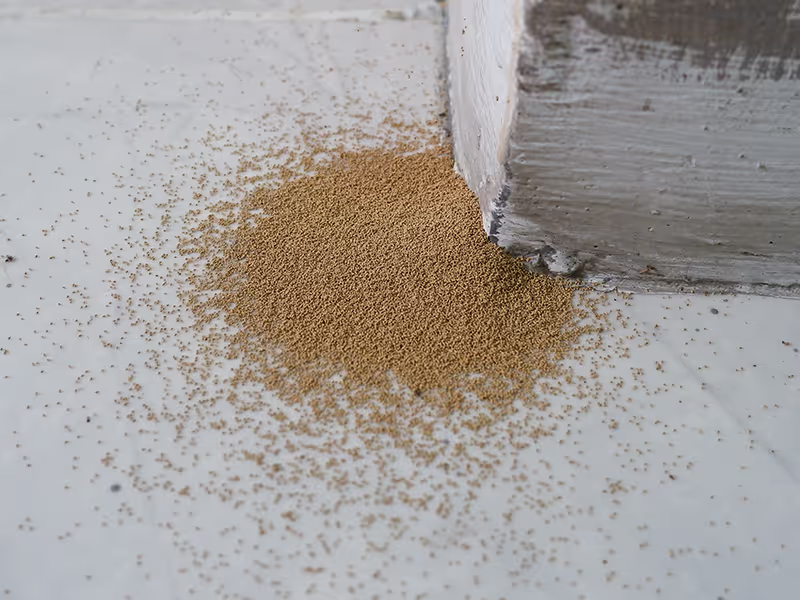
Termite Pellets (Frass) That Look Like Sand or Coffee Grounds
Drywood termites push their droppings out through tiny holes called “kick-out holes.”
You may see small piles beneath:
- Window frames
- Door frames
- Baseboards
- Attic beams
- Cabinets
Important: Cleaning the pellets does not solve the problem. It only removes the evidence. If pellets keep reappearing, the colony is still active.
Discarded Wings Near Windows or Doors
After swarming, drywood termites shed their wings. These delicate, translucent wings are often the first visible clue homeowners notice.
They commonly collect:
- On windowsills
- Near sliding glass doors
- Around entryways
- On garage floors
- Near interior light sources
If you’re finding wings indoors, it may indicate that swarmers emerged from a colony inside the structure — not just from outside activity.
Hollow-Sounding or Damaged Wood
Drywood termites tunnel through wood from the inside, often leaving a thin outer surface intact.
You may notice:
- Trim or wood that sounds hollow when tapped
- Small pinholes (kick-out holes) in painted or stained wood
- Fine pellet piles appearing beneath wood surfaces
- Sections of wood that feel thin or weakened
In many cases, the exterior surface still looks normal, while the interior structure has been hollowed out.
Faint Clicking or Tapping Sounds (Rare)
In very quiet conditions, drywood termites can produce faint clicking or tapping sounds inside walls or attic framing.
These noises are subtle and uncommon, and they are not a reliable standalone sign. However, when combined with visible evidence such as pellets or discarded wings, they may indicate the presence of active termites.
If you’re seeing any of these signs, schedule an inspection before damage spreads.
What a Professional Termite Inspection Should Include
Not all termite inspections are equal — and not all are designed to give you clear answers.
At Anti-Pesto, our termite inspections are structured and thorough, never rushed.
By the end of your inspection, you’ll understand:
- Where evidence was found
- What type of termite is suspected
- How active the infestation appears
- What your treatment options are
- Whether immediate treatment is needed
Our goal is clarity — not pressure.
If you’d like a deeper look at how termite inspections work, you can also read: What Professionals Look for During a Termite Inspection
What Happens After a Termite Inspection?
Treatment depends on:
- The termite species
- Location of activity
- Severity of infestation
- Structure type
For drywood termites, Anti-Pesto’s solutions include:
- Targeted localized treatments
- Tent fumigation
- No-tent treatment
For qualifying property owners, our drywood termite control services are backed by a termite re-treatment warranty!
If, during our inspection, we uncover evidence of a subterranean termite infestation, our local pest control pros are well-versed in eliminating these wood-destroying pests as well and offer full-coverage protection in Tampa Bay.
If drywood termites are suspected, request a no-obligation termite quote today and get clear answers before damage spreads.
When to Call for a Termite Inspection in Tampa Bay
It’s time to schedule a termite inspection for your Tampa Bay home if you notice:
- Pellets that return after cleanup
- Wings collecting indoors
- Visible swarmers inside
- Hollow or damaged wood
- Repeated termite activity
Drywood termites do not resolve on their own.
And DIY sprays will not stop drywood termite infestations.
Early inspection is almost always less expensive than delayed repairs.
Trusted Termite Control in Tampa Bay Since 1988
For more than 35 years, Anti-Pesto has protected homes in Tampa, St. Petersburg and throughout Tampa Bay. When you partner with us, you can expect:
- Clear communication
- Honest pricing
- Thorough inspections
- Treatment plans built around your specific home
We don’t believe in scare tactics. We believe in education, transparency, and helping you make confident decisions.
Schedule a Professional Termite Inspection in Tampa Bay
If you’re seeing pellets, wings, or signs of wood damage, don’t wait.
Get a clear answer from a local expert.
Since 1988, Anti-Pesto has helped Tampa Bay homeowners confirm termite activity quickly and stop termite damage before it worsens. Schedule your inspection today before minor termite damage becomes structural repairs. Call (727) 295-3905 or get started here!


