
What’s Happening With Mosquito-Borne Illness in Tampa Bay?
Dengue is getting a lot of attention right now because locally acquired cases have been reported in the Tampa Bay area. When health officials refer to a case as “locally acquired,” it means the infection was acquired from a mosquito here in Florida rather than during travel somewhere else.
Both Pinellas and Hillsborough counties have reported locally acquired dengue cases in 2026. Pinellas County Mosquito Control has also reported increased West Nile virus activity in its sentinel chicken surveillance program.
Local mosquito control agencies have responded by increasing surveillance and treatments. Pinellas County has increased mosquito surveillance, inspections and treatments, including door-to-door property inspections. Hillsborough County has also increased mosquito treatments by air and ground in response to dengue virus activity detected in mosquito traps.
Homeowners have a role to play, too, because mosquitoes capable of spreading illness can live and breed very close to homes.
The Mosquitoes That Can Spread Dengue
Two mosquitoes found in Florida, Aedes aegypti and Aedes albopictus, can spread dengue.
Unlike mosquitoes you may associate mostly with evenings outside, these mosquitoes can also bite during the day. They commonly live around homes and can lay eggs in containers that collect water.
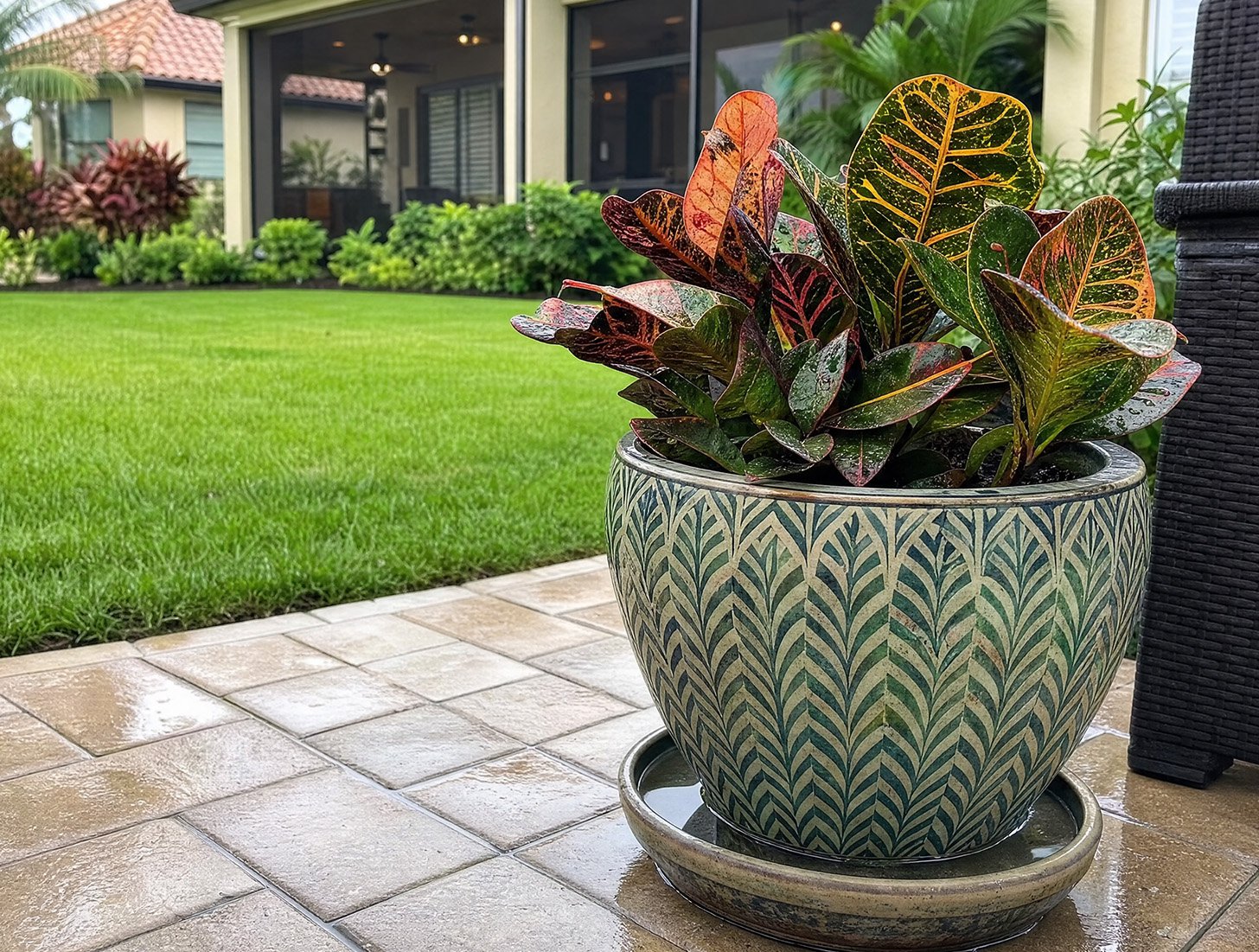
Buckets, plant saucers, toys, tires, pet dishes, tarps, and other items around the yard can all provide places for mosquitoes to develop. According to Pinellas County, these mosquitoes can breed in very small amounts of water.
That makes checking your own yard one of the simplest things you can do to help.
Dump, Dress, and Defend
Pinellas County recommends three basic steps residents can take to reduce their exposure to mosquitoes: Dump, Dress, and Defend.
Dump standing water. Check your property at least once a week and after rain for containers holding water. Empty buckets, plant saucers, toys, pet dishes, and other items that collect water. Check less obvious areas, too, including gutters, tarps, and outdoor equipment.
Dress to reduce exposed skin. When practical, wear light-colored long sleeves, long pants, socks, and closed-toe shoes outdoors.
Defend against bites. Use an EPA-registered insect repellent and follow the product label.
It’s also a good idea to check window and door screens and repair any holes that could allow mosquitoes inside.
Know the Symptoms of Dengue
According to the CDC, about one in four people infected with dengue becomes sick. The most common symptom is fever, sometimes accompanied by aches and pains, nausea, vomiting, or a rash. Symptoms typically last two to seven days, and most people recover within about a week.
If you develop symptoms and think you may have dengue, contact your healthcare provider.
We’re here to help with mosquitoes around your home, but your healthcare provider or the Florida Department of Health is the best resource for questions about dengue symptoms, testing, or treatment.
What About Mosquitoes Around Your Home?
Getting rid of standing water and taking steps to avoid mosquito bites are important, whether or not you use professional mosquito control.
Professional mosquito treatments can also help reduce mosquito populations around your property. Anti-Pesto provides mosquito control for homes throughout the Tampa Bay area, targeting areas where mosquitoes are likely to rest.
Because mosquitoes are an ongoing concern in our area, recurring treatments can help keep mosquito activity lower around your property over time.
Anti-Pesto offers stand-alone mosquito control as well as home pest control plans that include mosquito treatments, giving homeowners several options depending on the level of coverage they want.
Schedule Mosquito Control With Anti-Pesto
Local, family-owned Anti-Pesto has been serving Tampa Bay since 1988. Our experienced team offers targeted mosquito treatments and ongoing service options for homeowners. Don’t let mosquitoes take over your yard.
Request an instant mosquito control quote to get started.


